The Underestimated Effects of Pure Vine Ayahuasca
Banisteriopsis caapi and the subtle side of the medicine
When most people hear the word Ayahuasca, they immediately think of visions: intense colors, geometric patterns, encounters with otherworldly beings, emotional releases, and profound psychological experiences.
But Ayahuasca is not necessarily synonymous with DMT. There is another way of working with the medicine that receives considerably less attention: using the vine alone, without adding a DMT-containing plant.
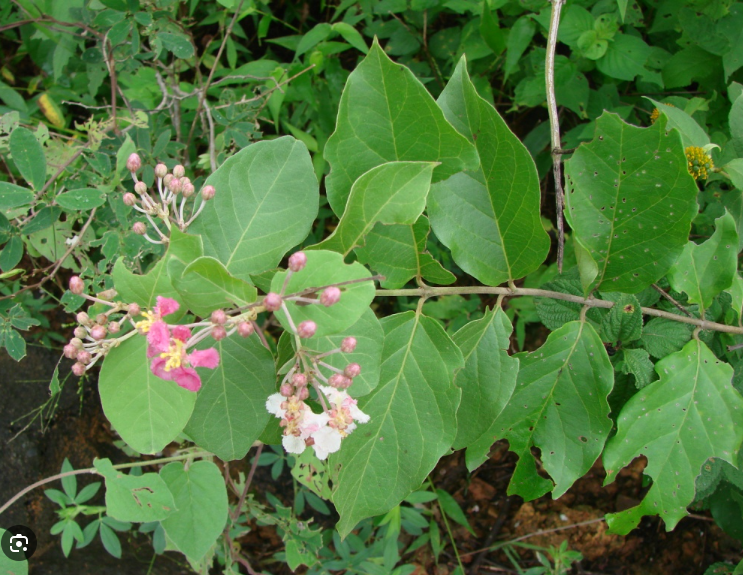
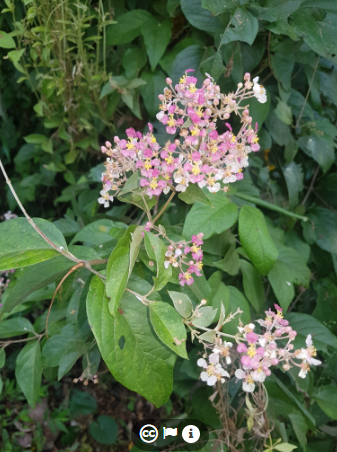
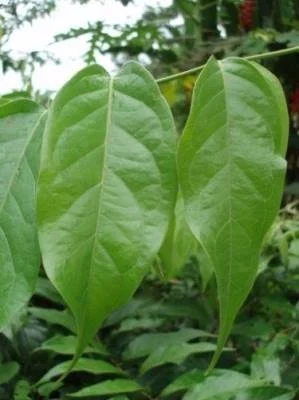
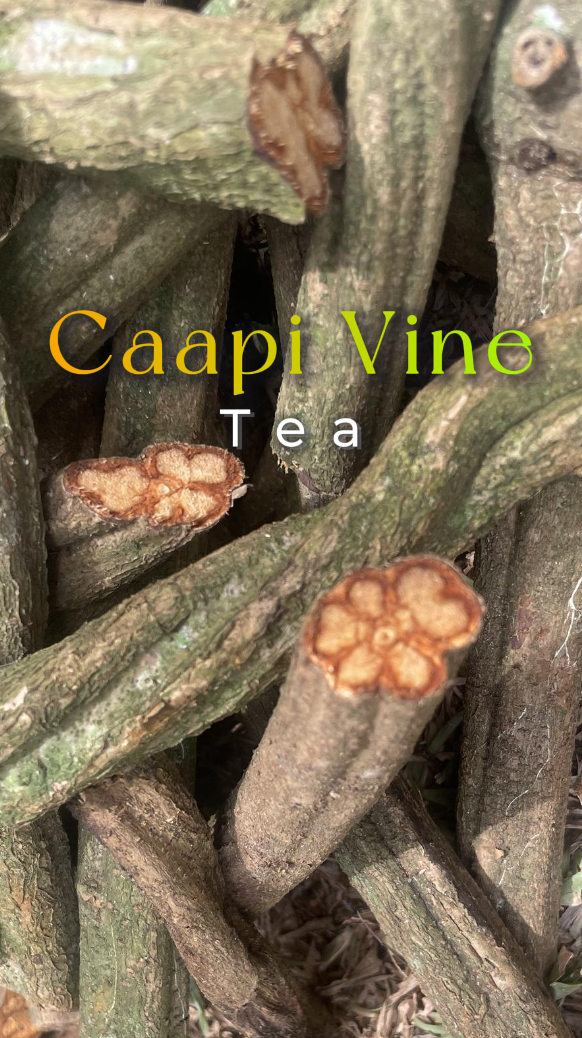
The primary plants traditionally referred to as Ayahuasca vines include Banisteriopsis caapi and, in some traditions, Banisteriopsis muricata. These plants contain a group of compounds known as beta-carboline alkaloids, particularly harmine, harmaline, and tetrahydroharmine.
For many people, the effects of the vine alone can seem much more subtle than those of a traditional DMT-containing Ayahuasca preparation. Yet subtle does not necessarily mean insignificant.
In fact, I believe pure vine Ayahuasca deserves much more attention.
An Older Relationship With the Vine
The use of the Ayahuasca vine itself appears to have a long history in South America, and the relationship between humans, animals, plants, and the rainforest is deeply intertwined in the traditions surrounding these medicines.
There are stories of animals, particularly jaguars, discovering and interacting with medicinal plants in the forest. Whether we understand these stories literally, symbolically, or as part of an indigenous oral tradition, they reflect an important idea: the vine has been regarded as a plant with its own character and effects, rather than merely as a vehicle for another substance. The story I was taught goes back further than the combination most people know today. Long before anyone thought to add chacruna, it was the vine alone that was being used — and the story says it was the jaguar who found it first. Chewing on it in the forest, the jaguar became sharper: quieter on its feet, more alert, more capable in the hunt. I think about that image often, because it captures something true about the vine's effect. It doesn't overwhelm you. It sharpens you.
This distinction is important. Ayahuasca is not simply "DMT in a cup." The vine itself is pharmacologically active.
Claudio Naranjo and the Harmala Alkaloids
One of the most interesting early researchers to investigate this question was Chilean psychiatrist and researcher Claudio Naranjo. In his 1967 work, Psychotropic Properties of the Harmala Alkaloids, Naranjo investigated the psychological effects of harmala alkaloids, particularly harmaline. His research is important historically because it examined these compounds independently rather than treating the Ayahuasca experience exclusively as a consequence of DMT.
Naranjo's work also connects these alkaloids with the plants used traditionally in South America, including Banisteriopsis species. Importantly, his 1967 study was not a modern clinical trial of Ayahuasca, and its observations should not be interpreted as contemporary medical evidence. Nevertheless, it represents an important early contribution to the scientific investigation of the psychological effects of harmala alkaloids.
Naranjo reported that the effects of harmaline could be considerably more subtle than those of other psychedelic substances. One particularly interesting observation from his work was that some participants experienced improvements in neurotic symptoms following their sessions. This is one reason I find his research so fascinating.
A former student of Naranjo in South America once summarized his perspective to me this way:
"Claudio always said that harmaline had a psychoactive effect, but it required a more subtle mind to perceive the depth of these effects. They are not as colorful or overwhelming as those produced by DMT."
— A former student of Claudio NaranjoThat idea has stayed with me. Perhaps one of the reasons pure vine Ayahuasca is underestimated is precisely because we have learned to associate psychedelics with intensity. But intensity is not the only measure of an experience.
My Own Experience With Pure Vine
I have personally worked with pure vine Ayahuasca, and I remember one particular session very clearly. The visions were extremely subtle. They were almost white and shadow-like, but within them I could still perceive shapes, images, people, situations, and emotions.
The experience was not as long or visually powerful as a traditional Ayahuasca experience containing DMT. At the time, I wondered whether my previous experience with Ayahuasca had influenced what I perceived. Perhaps my mind was already familiar with the psychedelic state and could reproduce or recognize certain elements of it.
I had also taken a relatively small amount because I was testing the experience. Physically, however, it was not necessarily gentle. I experienced a strong physical reaction, including heat and an increase in blood pressure, and for a period I found myself resisting the experience. During the journey, I had the powerful sensation of having a spear in my back. I could see it being removed, and I interpreted the experience symbolically as a cleansing related to envy. For me, this became a reminder that privacy, emotional boundaries, and the relationships we maintain with other people can have a profound psychological impact.
Whether someone interprets an experience like this spiritually, psychologically, or symbolically is deeply personal.
My First Years Working With the Vine
When I first began preparing Ayahuasca, I actually spent a considerable amount of time working with the vine alone. For roughly two years, I focused on preparing pure vine medicine before working more extensively with DMT-containing plants. At that time, we did not always have access to large quantities of chacruna, and we sometimes worked with other plants, including Psychotria carthagenensis, which grows naturally in Costa Rica.
Working with the vine alone gave me an opportunity to become familiar with the plant before introducing the additional complexity of a DMT-containing preparation. I learned how different preparations could behave, how the medicine felt physically, and how differently people could respond to it.
Pure Vine Microdosing
During the COVID period, when ceremonies became extremely difficult or impossible to organize, I began offering small amounts of pure vine preparation to people in Costa Rica. This eventually became a significant part of my work for a period of approximately two to three years.
At the busiest times, we were receiving dozens of orders each week. I would travel with a driver throughout different areas of Costa Rica, delivering the preparations and speaking directly with people about their experiences. The process was particularly interesting because I was not simply preparing the medicine. I was also growing the plant and giving it away to people. One of my clients, Eric, could even make his plant produce flowers — something really rare that I have never been able to do. They were also reporting to me how the plant grows better; it was at this point a social experiment with the B. caapi plant as foundation. People loved it.
Whenever possible, I would explain to people what they were receiving, how I had prepared it, and answer their questions. When they returned for another preparation, I could sometimes hear about what they had experienced. This gave me an unusual opportunity to hear many individual accounts over time. The effects people described were generally very different from those associated with a full DMT-containing Ayahuasca experience.
Rather than intense visions, people commonly described things such as greater clarity, a sense of balance, improved mood, more energy, or changes in their sleep. These are personal reports, not established clinical outcomes, and I think it is important to make that distinction.
Nevertheless, after hearing similar observations from many people over a long period, I became increasingly interested in understanding what might be happening pharmacologically.
Why Harmine and Harmaline Are Scientifically Interesting
What the Research Shows
The harmala alkaloids are not simply traditional curiosities. Modern scientific research has investigated compounds such as harmine, harmaline, and tetrahydroharmine for a variety of biological mechanisms. One particularly interesting area of research concerns harmine and the DYRK1A enzyme, which has attracted scientific attention because of its relationship to pancreatic beta-cell biology and insulin production.
Some laboratory research has found that harmine can stimulate the proliferation of human pancreatic beta cells. This is fascinating, particularly in the context of diabetes research. However, there is a very important distinction between a compound producing an effect in laboratory or cellular research and demonstrating that drinking Ayahuasca vine is an effective treatment for diabetes. Those are not the same thing.
I have personally known people who reported changes in symptoms they associate with diabetes after working with Ayahuasca, but personal experiences cannot establish that the medicine treats or cures diabetes. For anyone living with diabetes or another medical condition, conventional medical care and professional medical advice remain essential.
The scientific potential of harmala alkaloids is interesting precisely because it deserves more research, not because we already have all the answers.
Traditional Preparations, Modern Questions
There are also traditional ways of preparing the vine that differ significantly from the long cooking processes commonly associated with Ayahuasca. In some traditions, fresh vine bark is prepared in simpler ways, including infusions. Different preparation methods, temperatures, plant parts, extraction times, and concentrations can all influence the resulting chemical profile.
This raises an important scientific question: are we always working with the same medicine when we call something "Ayahuasca"? Probably not. A preparation made exclusively from vine is pharmacologically different from one containing vine plus a DMT-containing plant. A long-cooked concentrated preparation is different from a fresh infusion. A preparation made from one Banisteriopsis species may differ from another.
Even two preparations made from the same species can vary depending on the plant material, age, growing conditions, preparation method, and concentration. This complexity is part of what makes the subject so interesting.
Pure Vine Is Not Necessarily "Non-Psychedelic"
One misconception I encountered frequently while working with pure vine was the idea that it was simply a mild supplement. I would not describe it that way. The experience can be subtle, but it can also be psychologically and physically noticeable.
Some people may experience little more than a change in mood or bodily sensation. Others may enter a deeply meditative state. And some people can experience imagery or visions. My own experience included subtle visual phenomena, and I have also seen people report visual experiences while working with pure vine.
The difference is that the experience tends to be much less visually dominant than the experience produced by a strong DMT-containing Ayahuasca preparation. This is why I think the word subtle is more appropriate than inactive.
A Different Kind of Journey
One of the things I appreciate most about pure vine is that it can occupy a different place within the spectrum of plant-medicine experiences.
A traditional DMT-containing Ayahuasca ceremony can be extraordinarily immersive. It can take someone through a powerful psychological and sensory experience that may last for several hours.
Pure vine can feel different. For some people, it may be closer to an extended meditative state: quieter, more internal, and less visually overwhelming. A great option for starters, why not?
That can make it interesting for people who are not necessarily looking for an extremely intense psychedelic experience. It can also allow someone to approach the vine as its own medicine rather than simply viewing it as the component that accompanies DMT.
There Is Still Much We Do Not Know
I believe this is where the conversation should become more scientific. There is fascinating historical research on harmala alkaloids. There is growing modern research on harmine and related compounds. There are centuries of traditional knowledge surrounding Banisteriopsis species. And there are countless individual experiences. But these are different types of evidence.
We should not confuse traditional knowledge with clinical evidence, personal experience with controlled research, or laboratory findings with demonstrated medical treatments. Instead, we should allow each type of knowledge to contribute to a larger picture. The vine deserves serious scientific investigation precisely because there is still so much we do not understand about it.
Ayahuasca Is Not One Single Thing
Perhaps the biggest point I want to make is very simple: Ayahuasca is not one single experience. There is pure vine Ayahuasca. There is vine combined with DMT-containing plants. There are preparations involving other traditional plants. There are different species, different recipes, different concentrations, different preparation methods, and different cultural contexts. The experience can therefore change dramatically depending on what is actually in the cup.
For me, discovering pure vine was a reminder that the plant itself has a story that can easily become overshadowed by the more spectacular reputation of DMT. There is something valuable about slowing down and paying attention to what is less obvious. Not every medicine needs to be overwhelming to be meaningful. Sometimes the most interesting effects are the ones that require us to become quiet enough to notice them.
A Note on Safety
This article is intended as an account of personal experience, traditional knowledge, and scientific interest. It is not medical advice, and the experiences described here should not be interpreted as evidence that pure Banisteriopsis caapi treats, cures, or prevents diabetes, cancer, or any other medical condition.
Harmala alkaloids can have significant pharmacological effects and can interact with medications and medical conditions. Anyone considering working with Banisteriopsis caapi should discuss it with a qualified healthcare professional, particularly if they take prescription medications or have an existing medical condition. There is still much to learn, and that is precisely why I believe this plant deserves serious, careful research.
Curious About the Vine?
If this reflection resonates with you, reach out to learn more about working with pure vine Ayahuasca at Casa de la Luz.
Get in Touch