Beyond Ayahuasca: The Sacred Pharmacopoeia of Amazonian Plant Dietas
How master plants, ancient healing traditions, and months-long dietas are offering renewed hope for conditions that conventional medicine struggles to treat.
"To study ayahuasca without the forest is to hear only a single instrument in an ancient symphony." — Amazonian curanderos
Western attention to Amazonian plant medicine has surged over the past two decades. Yet most of that attention has focused on a single note: ayahuasca. For Indigenous healers across Peru, Brazil, Colombia, and Ecuador, this is like admiring one thread in an intricate tapestry. Ayahuasca is one voice in a vast, living pharmacopoeia — a symphony of master plants developed over centuries of intimate relationship with the rainforest.
This is the world of the plant dieta — a rigorous, intentional practice of healing, transformation, and spiritual development that extends far beyond ceremony. And increasingly, it is a world gaining serious attention as a powerful therapeutic path for chronic and complex conditions where modern medicine has reached its limits.
The Master Plants: Allies of Healing
Within Amazonian healing traditions, certain plants are known as plantas maestras — master plants with distinct personalities, teachings, and therapeutic properties. Each one occupies a precise role. When combined by an experienced curandero, these plants work together like a skilled surgical team, each addressing a different layer of a person's physical, emotional, and spiritual body.
A gentle yet profoundly transformative teacher. Bobinsana opens the heart, deepens dreamwork, and supports those carrying grief, heartbreak, or emotional stagnation. Used daily in dietas, it balances the intensity of stronger plants and teaches the art of emotional flow.
Emotional Healing Grief CompassionOne of the strongest and most demanding master plants. Known for entering the bones, joints, and nervous system, it fortifies the body and demands discipline. Cold sensations, vivid dreams, and emotional confrontation are all part of its teaching.
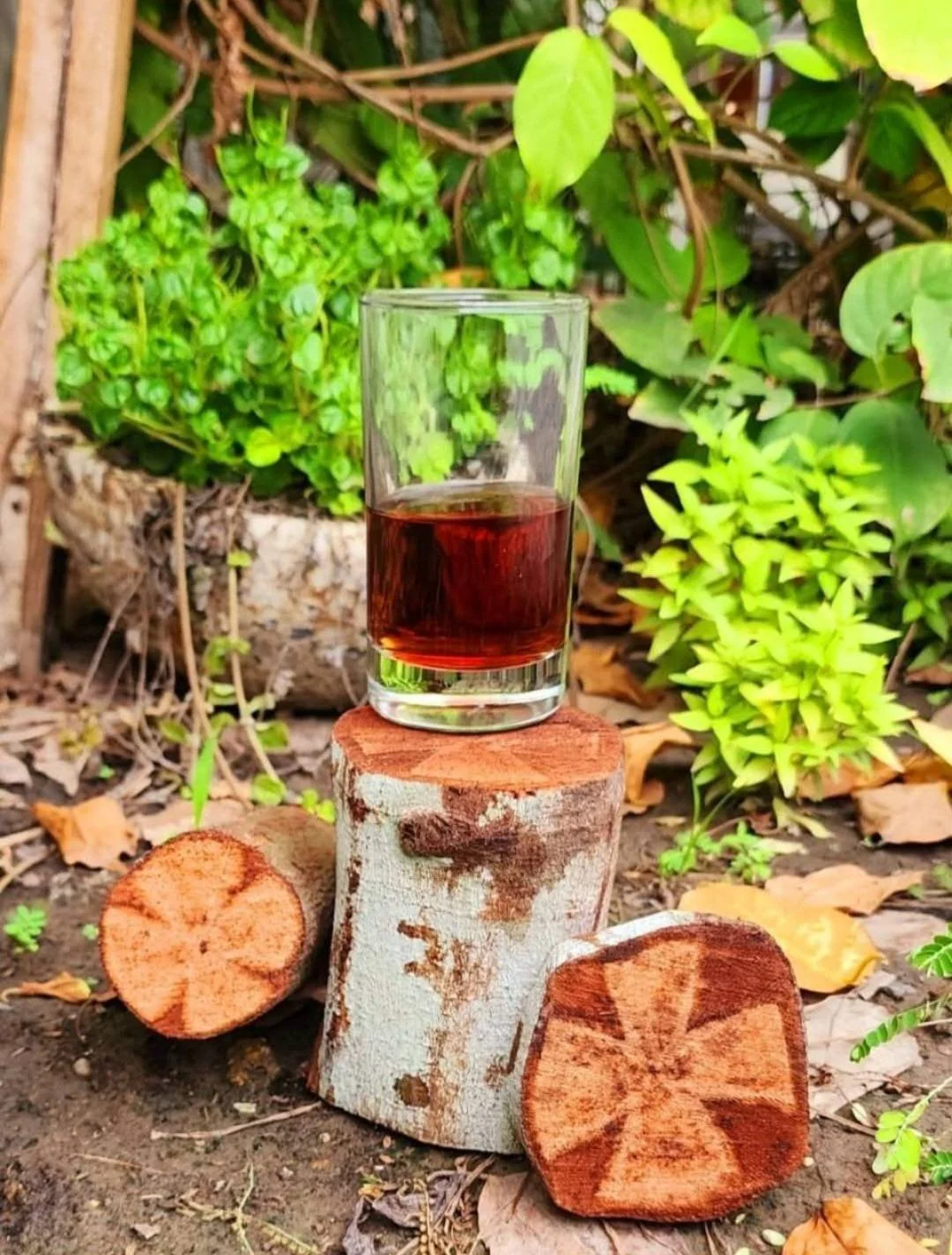
Fortification Nervous System CourageA warm, invigorating vine that opens the portals of the subconscious mind. In ceremonial contexts it enables lucid dreaming, helping practitioners receive teachings, ícaros (healing songs), and spiritual insight during sleep.
Lucid Dreaming Grounding VitalityNamed for the way its spirit interweaves through the forest, Renaquilla teaches practitioners to embrace the dieta — to root deeply into commitment and healing. It provides energetic stabilization, psychological boundaries, and anchors the lessons of other plants.
Protection Boundaries GroundingA master of light and mental clarity. Ajoskiro clears the mind of doubt, sharpens intuition, and opens direct access to botanical knowledge. Reserved for advanced stages of the dieta, it develops the ability to see with the eyes of the spirit.
Intuition Clarity KnowledgeLike a centuries-old tree, Ayahuma connects the practitioner to the earth, dissolves deep-seated fears, and provides the mental stability needed to face the challenges and visions of an intense dieta without being swept away.
Grounding Fear Release StabilityWhen Modern Medicine Reaches Its Limits
The plant dieta is not merely a spiritual practice or a complementary wellness therapy. Within traditional Amazonian healing, it has long been understood as one of the most powerful tools available for treating serious, complex, and chronic disease — particularly in cases where conventional medicine offers no clear path forward.
A three-month immersive dieta works on multiple levels simultaneously: it purifies the blood, regenerates the nervous system, resets the immune response, and clears emotional blockages that practitioners believe underlie physical disease. The plants do not simply mask symptoms — they are understood to rewrite the conditions that allow illness to persist.
Conditions Where Plant Dietas Have Shown Profound Impact
Traditional healers and an increasing number of integrative practitioners point to plant dietas as powerful allies in addressing conditions that defy conventional treatment.
Three months without salt, sugar, or processed chemicals — combined with the systematic intake of master plants under a curandero's guidance — achieves what shorter interventions cannot: a complete cellular and biological reconfiguration. The nervous system regenerates. The immune system resets. And the emotional and psychological roots of disease are addressed at their source.
The Three-Month Dieta: A Spiritual University
A full dieta in the heart of the Amazon — such as those conducted in Pucallpa, Peru — is not a retreat. It is a spiritual and quantum university. Time slows. The body becomes the canvas upon which the spirits of the master plants inscribe their wisdom. Each plant is introduced at a specific stage, building upon the one before it.
Preparation — Cleansing the Temple
The process begins with Huancahuisacha, which opens the channel, synchronizes and shields the immune system, and sweeps physical and energetic toxins accumulated from the outside world. The body must be clean before deeper medicines can take root.
Structure — Building Resilience
Chiric Sanango and Ayahuma enter next, fortifying the physical body and connecting it to the earth. Joints, bones, the nervous system, and deep fear centers are all addressed. The practitioner is given the internal architecture needed to withstand what follows.
Balance — Daily Emotional Flow
Bobinsana and Renaquilla are incorporated as constant companions — daily allies that moderate the intensity of the process, maintain emotional fluidity, and anchor the practitioner to the commitment they have undertaken.
Dream Work — The Night Classroom
Clavohuasca activates the subconscious. The night becomes the true classroom. Lucid dreams deliver teachings, healing songs (ícaros), and spiritual diagnoses. The barriers of time and space dissolve, and knowledge arrives from dimensions inaccessible to the waking mind.
Mastery — Graduation
In the final phase, Ajoskiro and Tahuri enter. These are high-lineage masters of knowledge and spiritual power. The practitioner's spirit is refined, intuition crystallized, and authority over themselves secured. They return to the world transformed — a true carrier of medicine.
The At-Home Dieta: Accessible Healing
Not all healing requires months in the jungle. Many master plants — Bobinsana in particular — can be incorporated into what practitioners call an "at-home dieta." This is an intentional, structured process that can be undertaken during periods of grief, transition, emotional stagnation, or personal vulnerability.
Bobinsana At-Home Dieta Protocol
Bobinsana paste is dissolved — approximately one gram — into four liters of water and consumed gradually over a minimum of 21 days. This is not simply herbal supplementation. It is an intentional practice of emotional and spiritual alignment, approached with respect and ceremony.
Practitioners recommend undertaking an at-home dieta during periods of mourning, relationship transition, creative blocks, or psychological heaviness — any moment when the deeper emotional architecture needs tending.
Ceremonial Medicines: Rapé, Sananga & More
Beyond the plant dieta itself, Amazonian healing includes a range of ceremonial medicines used to prepare, support, and deepen the healing process. These are not adjuncts — they are integral members of the pharmacopoeia.
Rapé
A sacred snuff of powdered tobacco and medicinal ashes, administered through the nose. Induces immediate mental stillness, grounding, and energetic cleansing. Used before and after ceremonies, or when a participant feels stuck and unable to move through the medicine's process.
Sananga
Amazonian eye drops that sharpen perception and clear energetic imbalance. Intensely painful upon application, but practitioners describe profound clarity — including an amplification of ayahuasca visions when applied immediately before ceremony.
Sangre de Grado
Dragon's Blood resin — deep crimson, antimicrobial, and powerfully healing. Used for wound repair, gastrointestinal support, and bodily recovery after intense ceremonies. Modern science has validated its tissue-repair properties.
Copaiba Oil
Tapped from Copaiba trees, this natural oil provides anti-inflammatory, antiseptic, and respiratory support. A bridge between forest pharmacy and modern wellness application, now recognized in international markets.
Why This Matters Now
We live in an era of growing disillusionment with the limits of pharmaceutical medicine for complex, chronic, and treatment-resistant conditions. Cancer, autoimmune disease, addiction, and trauma-related illness represent some of the most pressing challenges in modern healthcare — and increasingly, people are looking beyond conventional approaches with genuine curiosity and growing evidence.
What Amazonian plant dietas offer is not magic. It is something arguably more remarkable: a sophisticated, time-tested system of healing developed over thousands of years, by cultures whose deepest knowledge was the forest itself. A system that does not separate body, mind, and spirit, but addresses the human being as a single, interconnected whole.
For traditional healers, plants are not merely chemical compounds. They are conscious intelligences — relational beings embedded in ecosystems, ceremonies, songs, and cultural memory. To work with them is not to consume a product, but to enter into a relationship.
The Forest Is Still Teaching
At Casa de la Luz, we have worked with all of these medicines and administer them with deep respect when indicated. Our commitment is to hold the knowledge of the forest with the care it deserves — and to offer it to those who are ready to listen.
Whether you are drawn by curiosity, called by necessity, or simply tired of approaches that treat symptoms without reaching roots — the forest has something to offer you.
Learn More About Plant Dietas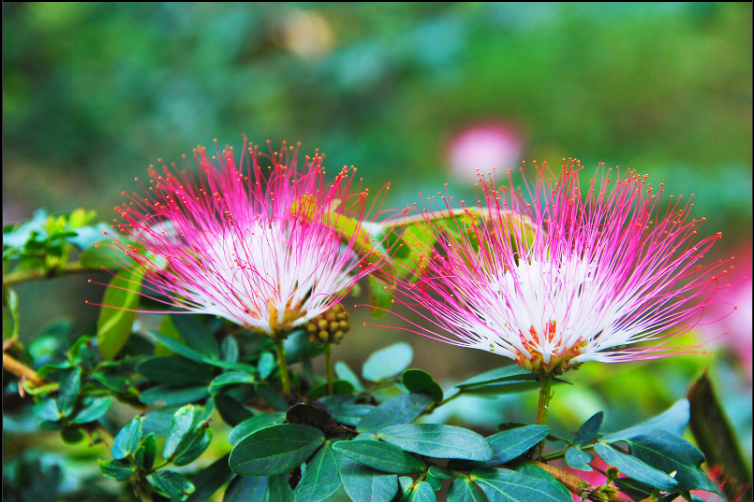
Bobinsana
Clavohuasca

Chiric Sanango